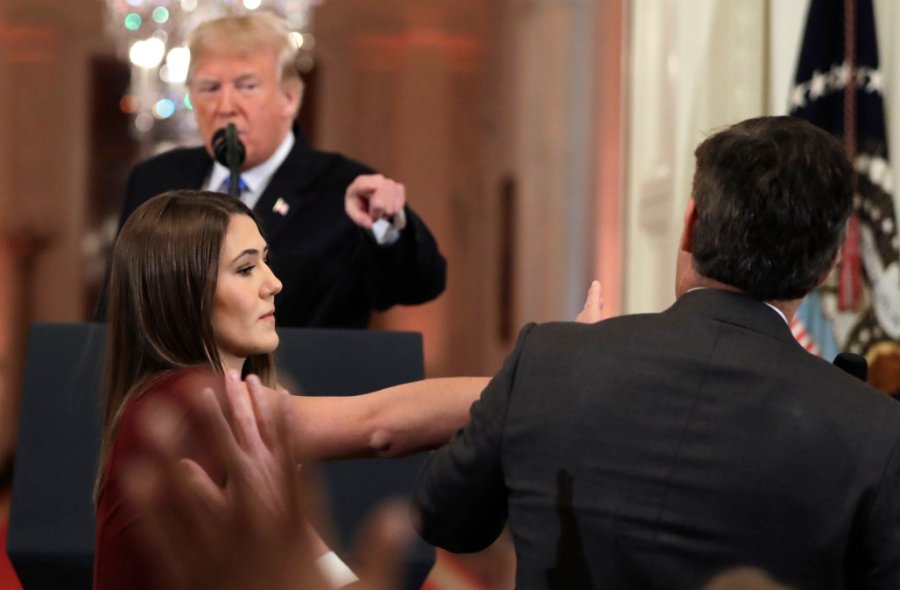
Back in the good ol days, journalist had to be aware of the entire community, vigalent to every possible news story, cautious not to be false while still being excitable enough to be interesting. Fast forward to the 21st century, and we have a wave of “Fake News”, but what made this giant leap and the emerging of news and entertainment?

The most drastic change in traditional reporting is easily due to the creation of the internet. Prior to the internet, journalist were the main recievers of news. However, following the internet’s existance, anyone can pull out a camera and report what news is around them. This caused journalists to tip the journalism’s equalibrium, and instead of focusing on reporting honest, factual stories, it’s more about timeliness and 
reporting the fastest. In the “We the Media” article, by Dan Glimor, he explains “the fundamental shift being that now the audience decided what is important and what will be trending rather than a media house. Bloggers and other participative journalism platforms have emerged as a source of competition to mainstream media by publishing information, reporting real time, sharing opinions and pushing it out to the whole online community with no involvement of any traditional media.”
According to the Huffington Post, as a result of the uprising use of ‘Citizen Media’ increasing, the following effects are intiated:
“1. Media is now much more democratised because it is open to many people.
2. A fairly fundamental change is that consumers are now producers and vice-verse.
3. Also, we now have a read-write Web that allows people to write easily on the Web.
4. Journalism has traditionally been a lecture–journalists tell you what the news is, you either buy it or you don’t. Now it’s moving into something like a conversation and the first rule of a conversation is to listen.
5. And journalists have not been listening, many times readers know more than journalists. This isn’t a bad thing, it is just an opportunity to do better journalism.
6. The democratisation of access to media  means that the audience now has many choices and most of them are free.
7. Media organisations are asking the public what they know about things and also about what they want reported in media.”
With the internet becoming an easily, free platform to acquire news, actual journalist, who find out the real truth about a story for a career, is unadequte enough because they charge money. If you had a choice between free news and news you would have to pay for, what would you choose? That’s the problem and the answer…
This problem of false reporting is caused by the lack of funding in local news journalist. If citizens paid for their news (specifically local news) more, there would be a decrease in false news, and an increase accuracy put into every story.
 Digitech